
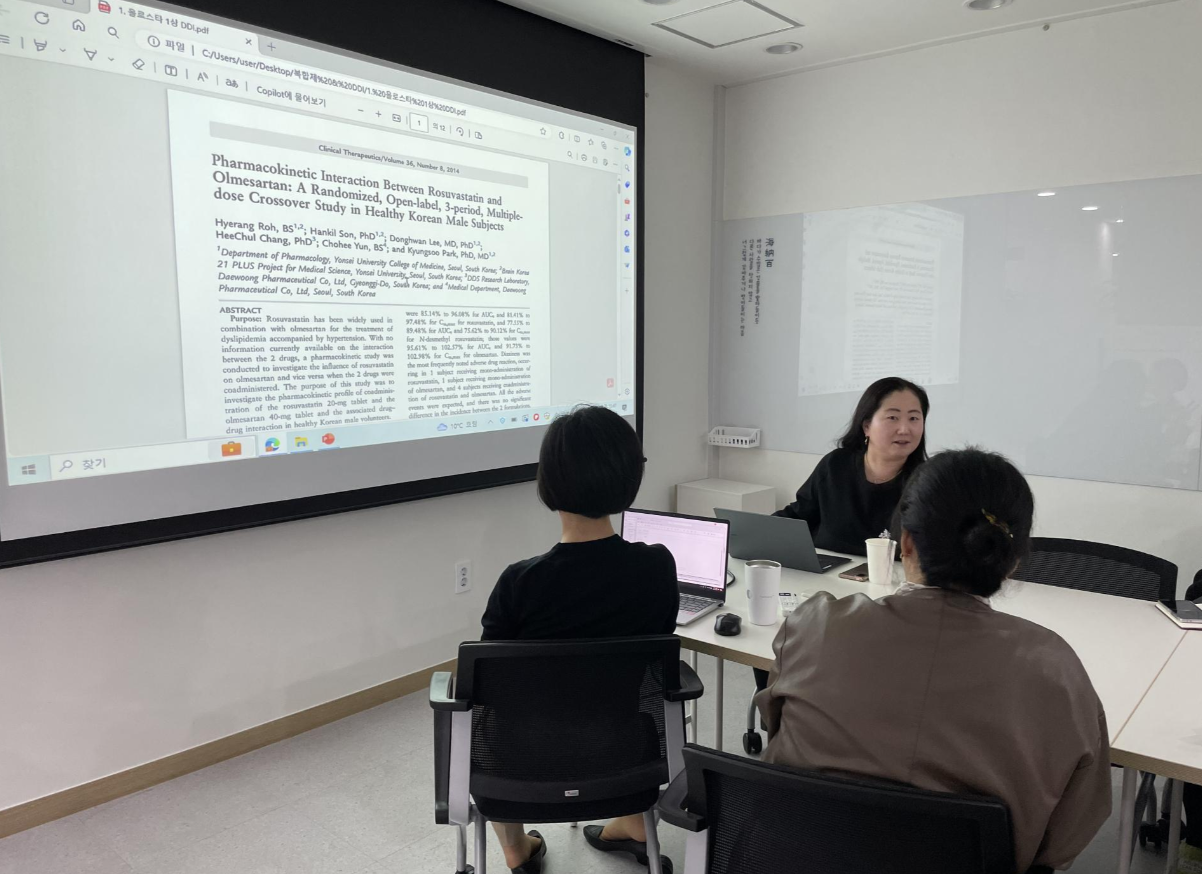

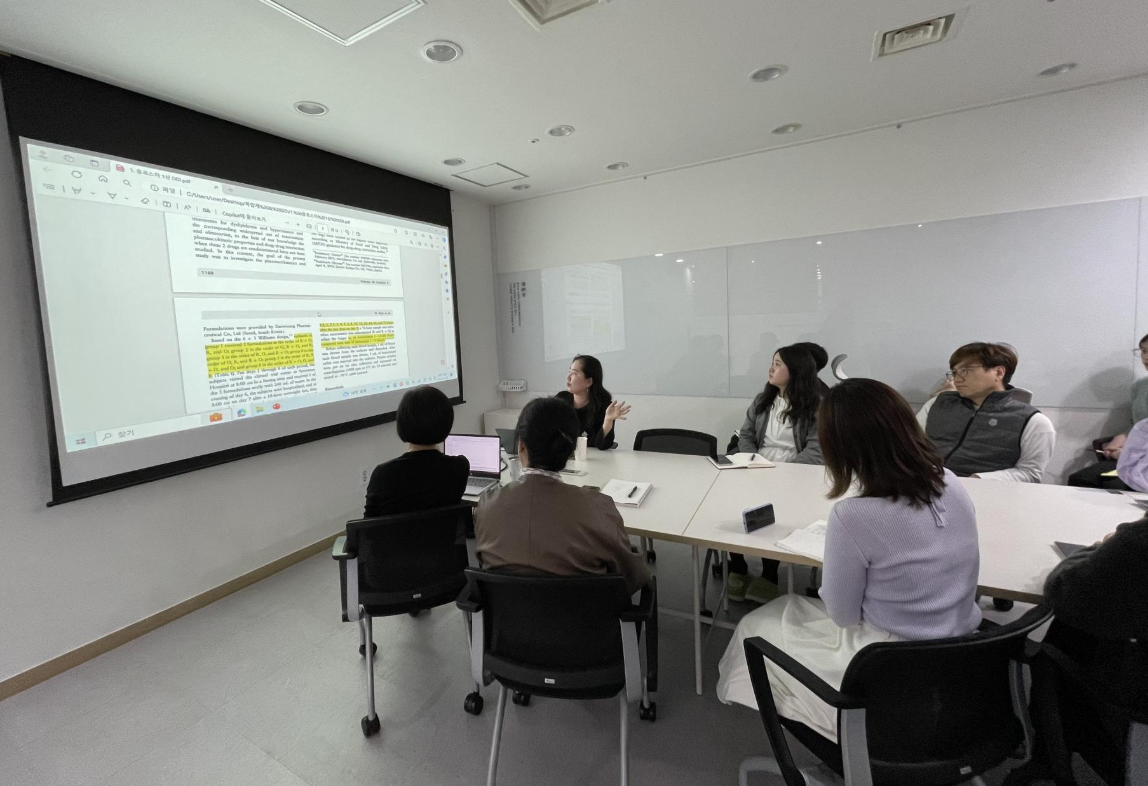

BXPLANT held its second installment of the weekly internal workshop series, focusing on two critical aspects of early-stage clinical development: Food-Effect Bioavailability studies and determining the Maximum Recommended Starting Dose (MRSD) in initial clinical trials.
This comprehensive session explored the FDA’s Guidance for Industry on assessing how food intake influences drug absorption, distribution, and bioavailability—a crucial consideration in clinical trial design and labeling requirements. Participants discussed study design strategies, timing considerations, and regulatory expectations for food-effect studies, examining real-world case examples to understand when such studies are necessary and how to interpret their results for clinical and commercial implications.
The workshop also delved into the systematic approaches for calculating MRSD, a critical safety parameter that protects participants in first-in-human studies. The team reviewed methodologies for translating preclinical data into safe clinical dosing regimens, including allometric scaling, NOAEL (No Observed Adverse Effect Level) considerations, and application of appropriate safety factors based on regulatory guidelines.
These interconnected topics highlight BXPLANT’s holistic approach to clinical development, where safety, efficacy, and regulatory compliance converge from the earliest stages of drug development. By equipping team members with deep knowledge across multiple dimensions of clinical pharmacology and regulatory science, these workshops ensure that BXPLANT continues to deliver scientifically sound, strategically optimized development plans for clients.
The collaborative learning environment fostered through these sessions strengthens cross-functional understanding and enables BXPLANT’s experts to provide comprehensive, integrated guidance that anticipates challenges and maximizes the probability of clinical success.